- Burn Bright Not Out
- Posts
- ✨When the data hits different (033)
✨When the data hits different (033)

Mary Vaz
November 14, 2025
This week, I had the privilege of speaking to a group of early-career engineers working for different companies — bright, curious, committed individuals who genuinely want to make things better for the communities they serve.
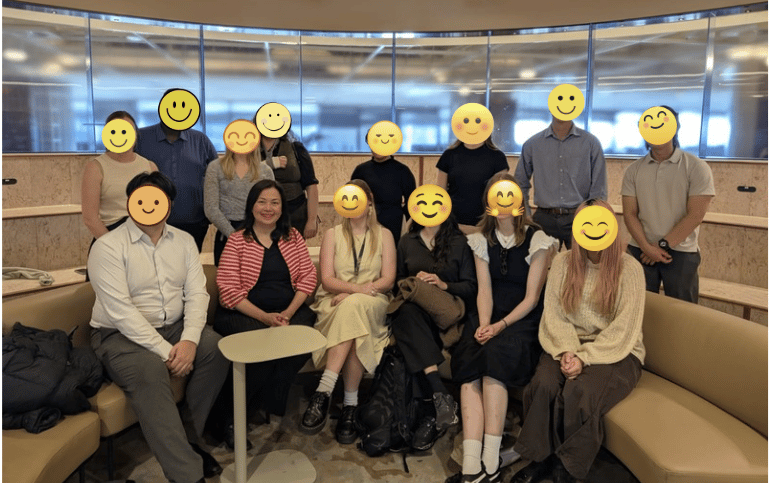
You’ll notice emojis covering the faces in this photo. That’s intentional. These early-career engineers trusted me with their stories, and protecting their privacy is part of creating a safe space for honest conversations about burnout.
But there was a moment in the room when everything went quiet.
It wasn’t the frameworks.
It wasn’t the technical content.
It was the statistics on burnout.
Because sometimes the data hits harder than the story.
The Numbers No One Warns You About
When I shared these figures, I saw shoulders drop. Eyes widen. A few people leaned back, as if giving themselves permission to exhale.
People think burnout is personal.
The data tells us it’s systemic — widespread, costly, and growing.
And the engineers in the room realised something important:
“Oh… it’s not just me.”
Why Engineers Are Especially at Risk
These were the four drivers we unpacked together — and every single head in the room nodded.
1. High Cognitive Load
Engineering requires sustained concentration, precision, and deep problem-solving.
Hours of “intense thinking” with no recovery leads to mental fatigue, even if the work is meaningful.
2. Perfectionism & Responsibility
Mistakes can be costly — financially, operationally, or in extreme cases, to public safety.
That weight sits silently on your shoulders.
3. Rapid technological advancement
There’s always something new to learn.
When “keeping up” becomes a second job, it feeds the belief that you’re never doing enough.
4. Organisational Culture
Hero culture.
Overwork as a badge of honour.
High performance without psychological safety.
All of the above erodes motivation faster than people realise.
The Moment That Mattered Most
At the end of the session, one young engineer stayed behind.
We’ll call him A. He said quietly:
“I thought burnout was a problem for mid-career people. I didn’t realise it could start this early.”
This is why conversations like these matters.
Sadly, this is happening far too early — right at the start of their careers. They’re carrying heavy pressure before they’ve learned how to protect their energy.
Many don’t yet have mentors who normalise asking for help.
Many don’t feel safe saying, “I’m not okay.”
But here’s the truth I want you to remember:
Burnout isn’t a sign of weakness. It’s a signal that something important needs attention.
If You’re Feeling This Too… You’re not alone.

If you’ve been:
waking up tired
feeling like your brain is “full” before 10am
losing your spark for work you used to enjoy
thinking “I just need to push through one more week”
…your system is asking for a different kind of leadership.
Not the leadership of doing more.
The leadership of noticing more.
The leadership of boundaries, rest, clarity, and intentional choices.
This Week’s Gentle Challenge
Take 10 minutes this week and ask yourself:
“Where am I carrying pressure I’ve never questioned?”
“Which part of my day drains me the most?”
“What’s one small shift that would help me feel lighter?”
Clarity compounds.
Small shifts compound.
Self-compassion compounds.
If This Spoke to You….
Forward this edition to someone who might need it.
And if you're an early-career engineer or a leader in a technical field who wants to build a career that grows without sacrificing your wellbeing, send me a message on [email protected].
Your fire should fuel you — not consume you.
Until next week,
Mary
Burn Bright Coach